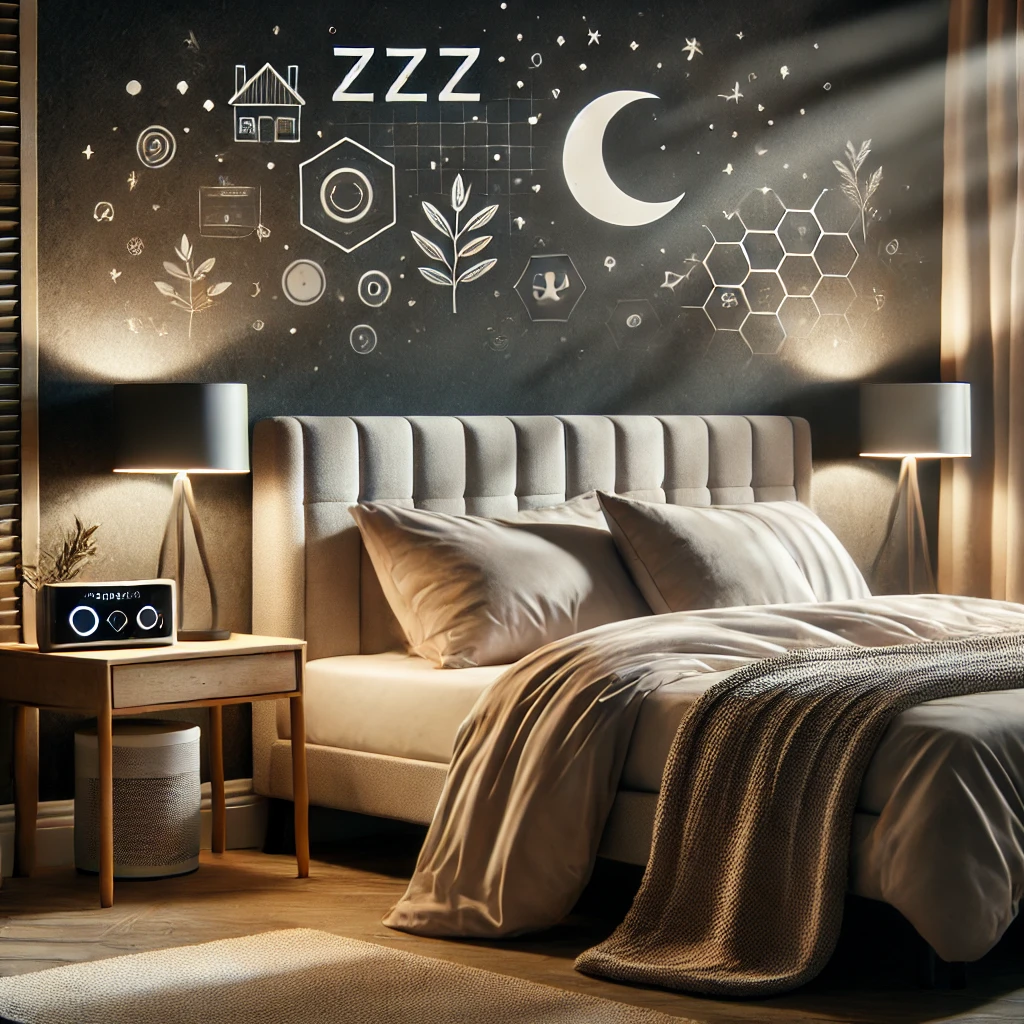
Sleep is one of the most essential functions of the human body, yet many of us struggle to get enough of it. Research shows that quality sleep impacts everything from brain function and immune health to mood and overall well-being. In this article, we’ll explore the science behind good sleep and provide practical tips for improving your rest. Plus, we’ll recommend products to support your journey to better sleep.
Thank you for reading this post, don't forget to subscribe!The Science of Sleep: Why It Matters
Sleep is more than just a time for rest; it’s a critical process for physical and mental recovery. During sleep, your body performs essential functions, including:
- Memory Consolidation: Sleep helps transfer short-term memories into long-term storage, improving learning and recall.
- Cellular Repair: Deep sleep stages are when your body repairs tissues and muscles, promoting physical recovery.
- Regulation of Hormones: Hormones like melatonin, growth hormone, and cortisol are balanced during sleep, affecting everything from metabolism to stress levels.
The average adult needs 7-9 hours of sleep per night, but achieving this can be challenging. Factors like stress, diet, and screen time often interfere with the body’s natural sleep cycles.
Tips for Better Sleep
1. Establish a Consistent Sleep Schedule
Your body’s internal clock, or circadian rhythm, thrives on consistency. Go to bed and wake up at the same time every day, even on weekends. This helps regulate your sleep-wake cycle and improves overall sleep quality.
2. Create a Relaxing Bedtime Routine
Engage in calming activities before bed to signal to your brain that it’s time to wind down. Try reading, taking a warm bath, or listening to soothing sounds. Avoid stimulating activities like checking emails or scrolling through social media.
3. Optimize Your Sleep Environment
Your bedroom should be a sanctuary for sleep. Aim for a dark, quiet, and cool environment. Use blackout curtains and a white noise machine if necessary to block out light and noise.
4. Limit Screen Time
The blue light emitted by phones, tablets, and computers can suppress melatonin production, making it harder to fall asleep. Turn off screens at least an hour before bedtime, or use blue-light-blocking glasses.
5. Pay Attention to Diet and Exercise
Avoid caffeine and large meals close to bedtime. Regular exercise can improve sleep quality, but try to finish workouts at least a few hours before you go to bed.
6. Use Relaxing Sounds to Sleep
Listening to calming sounds, such as rain, ocean waves, or white noise, can help you relax and drift off faster. These sounds mask disruptive noises and promote a peaceful mental state.
Best Products to Enhance Your Sleep
Here are some highly-rated products to consider for optimizing your sleep experience:
1. White Noise Machine
- Recommendation: Hatch Restore Sound Machine and Smart Light
- Why It’s Great: Combines soothing sounds with a gentle wake-up light for a holistic sleep experience.
2. Weighted Blanket
- Recommendation: Gravity Blanket
- Why It’s Great: Provides gentle pressure that mimics a comforting hug, reducing stress and promoting relaxation.
3. Blackout Curtains
- Recommendation: NICETOWN Thermal Insulated Blackout Curtains
- Why It’s Great: Blocks out light and helps maintain a cooler room temperature for undisturbed sleep.
4. Blue Light Blocking Glasses
- Recommendation: Felix Gray Blue Light Glasses
- Why It’s Great: Reduces eye strain and melatonin disruption caused by screens.
5. Sleep Soundtracks
- Recommendation: Explore the curated relaxing sounds on Top Soundly Sleeping Sounds
- Why It’s Great: A variety of calming soundscapes tailored to help you relax and achieve deep sleep.
6. Sleep Tracker
- Recommendation:Samsung Galaxy Ring
- Why It’s Great: Monitors your sleep cycles, heart rate, and activity levels to provide personalized sleep insights.
Final Thoughts
Understanding the science of sleep is the first step toward improving your rest. By incorporating these tips and investing in the right tools, you can create a sleep environment that promotes relaxation and recovery. Better sleep isn’t just a luxury—it’s a necessity for a healthy and balanced life.
Sweet dreams!


